(Ephesians 2:8–9; John 1:14)
We live in an earned world.
You work hard, you get the result. You perform, you’re accepted. You prove yourself, you belong. Most of life runs on some version of wages and worth.
And that’s part of why Christmas can feel heavy. It’s beautiful — but it can also pile on pressure. More spending, more organising, more expectations, more trying to make everything ‘right’.
But Christmas announces something different.
Not an achievement.
Not a reward.
An unearned gift.
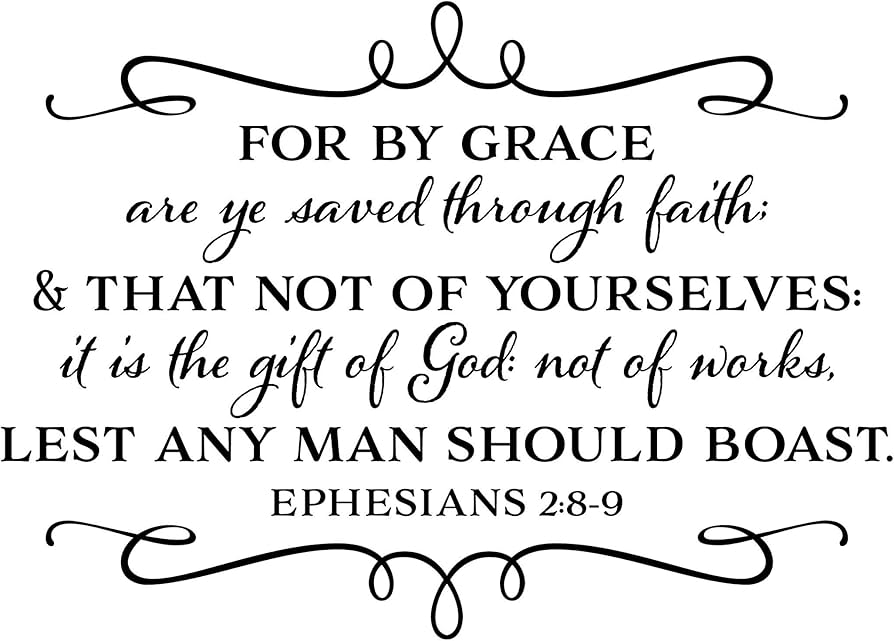
“By grace you have been saved through faith… and this is not your own doing; it is the gift of God — not a result of works.” (Ephesians 2:8–9)
The centre of Christianity isn’t a ladder we climb to reach God. It’s God coming down to reach us.
John puts it simply: “The Word became flesh and dwelt among us.” (John 1:14) God didn’t send advice from a distance. He came near — in Jesus — to rescue, forgive, and bring life.
Grace can sound like a church word, so here’s a plain way to say it:
Grace is God’s kindness to people who don’t deserve it and can’t earn it.
That doesn’t flatter us — it humbles us. It says we need saving, not just improving. But it also comforts us, because if God’s rescue is a gift, then peace with Him doesn’t swing on our mood, our performance, or whether we’ve ‘done enough’.
And it changes how we live.
Good works matter — but they’re not the entry fee. They’re a response. We don’t do good to be accepted by God; we do good because God has already been kind to us in Christ.
So here’s a question worth sitting with this Christmas:
What if the truest gift isn’t something you can buy, earn, or prove — but something you can only receive?
How do you receive grace?
Not by earning it.
Not by cleaning yourself up first.
Not by promising you’ll do better.
The Bible’s answer is simple: grace is received by faith.
“To the one who does not work but believes in Him who justifies the ungodly, his faith is counted as righteousness.” (Romans 4:5)
In plain terms, receiving grace looks like turning to Jesus with honest trust — admitting your need, and resting the weight of your hope on what He has done, not what you can do.
“If you confess with your mouth that Jesus is Lord and believe in your heart that God raised Him from the dead, you will be saved.” (Romans 10:9)
And it can be as direct as calling out to Him:
“Everyone who calls on the name of the Lord will be saved.” (Romans 10:13)
Grace isn’t a prize for the strong. It’s a gift for the needy — received with open hands.
If you’re not sure what to say, you could pray something like this:
‘Father, I’ve been trying to carry my life on my own. I turn to You now. I believe Jesus died and rose again. I receive Your gift of grace. Lead me from here. Amen.’
If salvation is a gift, pride has nowhere to stand — and neither does despair.
Ephesians 2:8–9. John 1:14.
Merry Christmas.
Last updated on Tuesday 17th March 2026